The Future of Performance Marketing

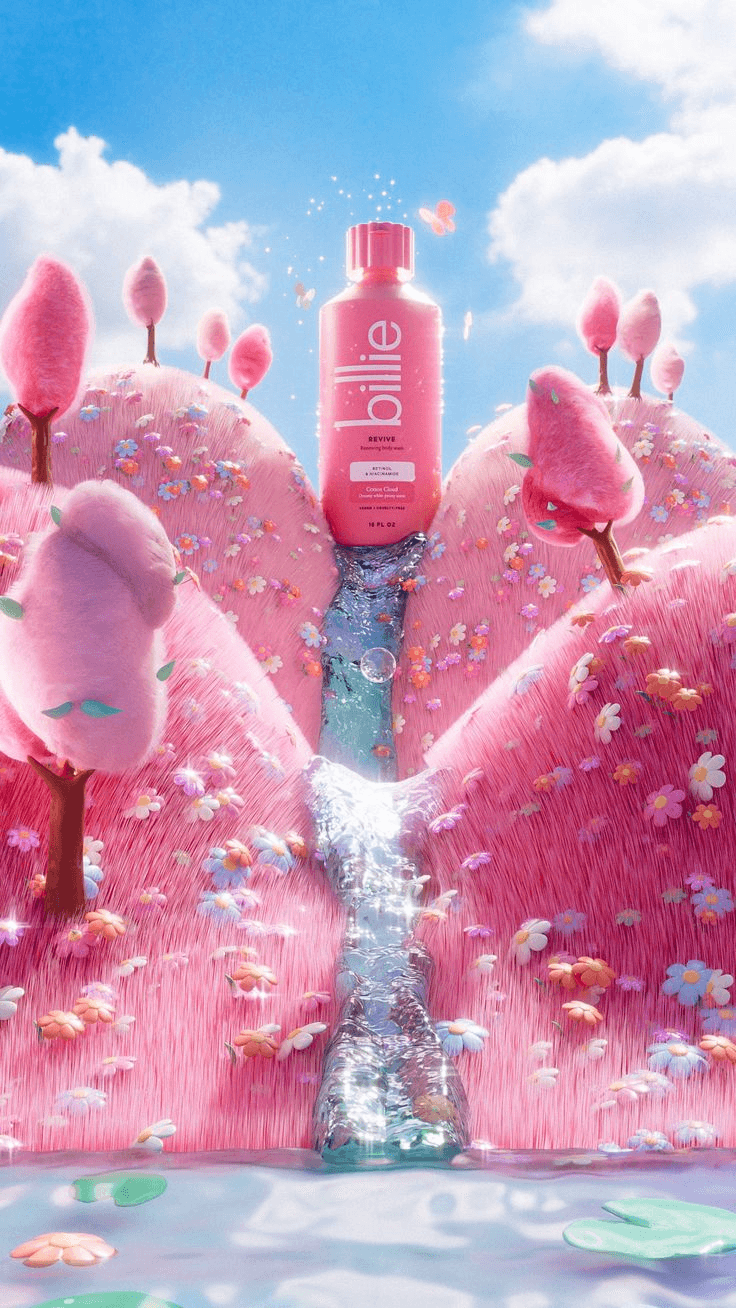
Video Is Eating the Performance Marketing Playbook
Static images and text-based ads still work, but the data is clear: video consistently outperforms them on engagement, click-through rate, and conversion. Platforms like Meta, TikTok, and YouTube are prioritizing video in their algorithms, which means brands that cannot produce video at scale are increasingly at a disadvantage. The shift is not gradual. It is accelerating quarter over quarter.
The Volume Problem
Performance marketing thrives on testing. You need dozens of creative variations to find what resonates with different audience segments. With static ads, spinning up 30 variations was manageable. With video, it is a production bottleneck. Teams either spend too much on agencies or settle for fewer variations and less data. The brands winning at performance marketing right now are the ones who have figured out how to produce video quickly without it looking cheap.
Creative Velocity as a Competitive Advantage
The concept of "creative velocity," meaning how fast a team can go from idea to live ad, is becoming a key metric. Teams that can test a new concept in a day rather than a week get more learning cycles per month. They find winning creatives faster. They adapt to trends before competitors. Owly was built around this idea: compress the workflow so teams spend less time on production logistics and more time on creative strategy.
What Top-Performing Teams Do Differently
The best performance marketing teams treat creative as a data problem. They run structured experiments, track which hooks and formats drive results, and build a library of learnings over time. They do not rely on gut feel alone. They combine creative instinct with quantitative rigor. The tools and workflows that support this approach, including fast production, easy iteration, and clear analytics, are what separate good teams from great ones.